
What is Fushimi Inari Taisha?
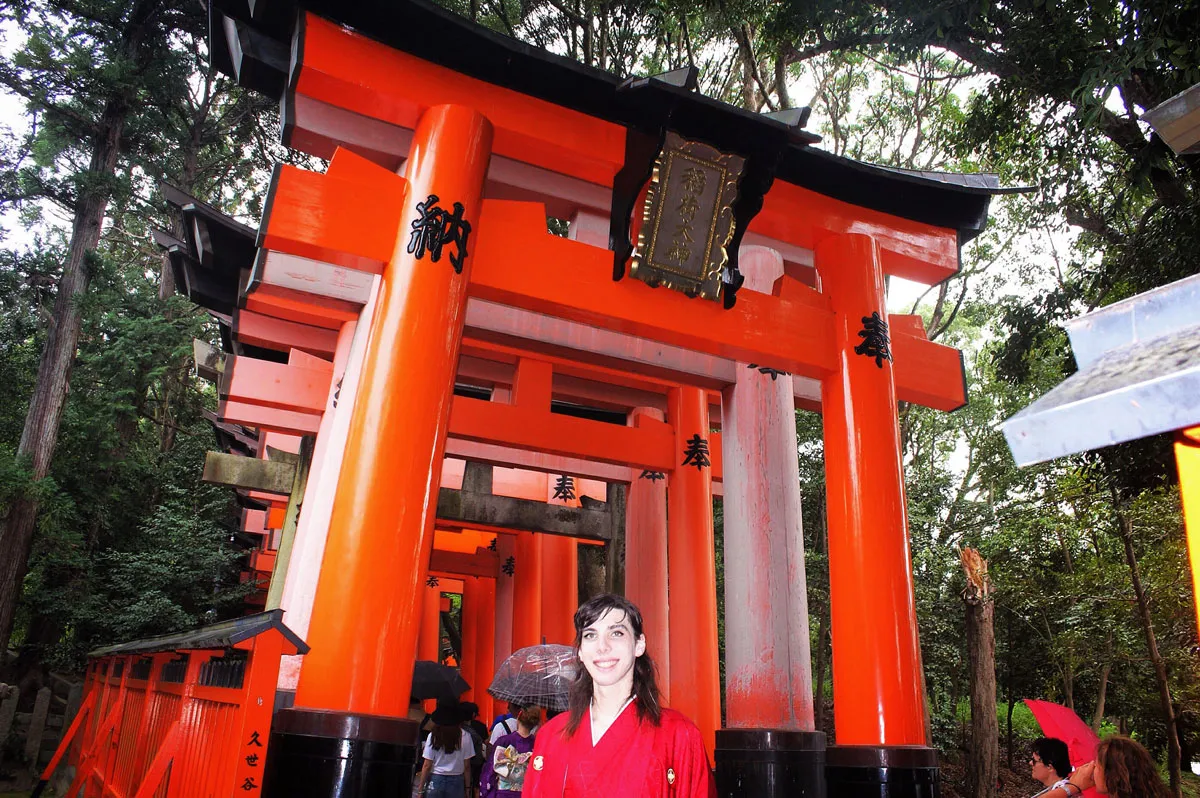
Fushimi Inari Taisha is one of Japan’s most famous and visited Shinto shrines, located in southern Kyoto. It’s best known for its iconic thousands of vermilion torii gates that form tunnels winding through the forested slopes of Mount Inari.
Dedicated to Inari Ōkami, the deity of rice, prosperity, and business, the shrine is also symbolized by foxes (kitsune), considered messengers of Inari. Statues of foxes with keys or scrolls in their mouths are found throughout the grounds.
The shrine is not just a tourist site—it’s an active place of worship and holds deep spiritual meaning for locals. Businesspeople often visit to pray for good fortune, and locals climb the mountain to seek blessings and reflect.
History and Significance
Fushimi Inari was founded in 711 AD, predating Kyoto’s status as the capital of Japan. It has served as the head shrine for over 30,000 Inari shrines across the country.
The shrine’s location on Mount Inari reflects ancient animistic beliefs—mountains were viewed as sacred, and the god Inari was believed to reside here. Over centuries, the shrine became strongly associated with agriculture, trade, and later, success in business.
The current main shrine structure dates to 1499 and is designated as an Important Cultural Property. However, what truly sets Fushimi Inari apart is its network of 5,000+ torii gates donated by individuals and businesses in gratitude for blessings.
The Thousand Torii Gates (Senbon Torii)
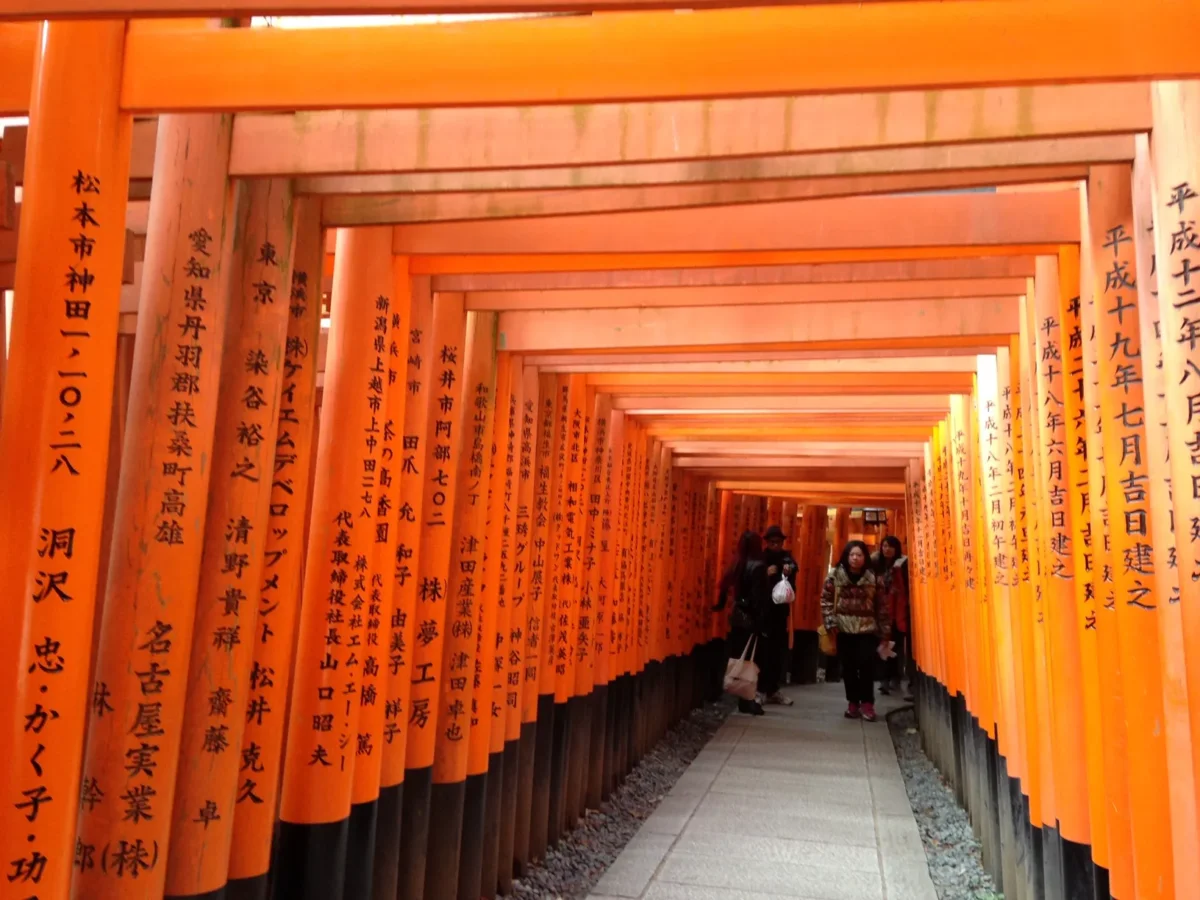
One of the most photogenic and iconic sights in Japan, the Senbon Torii (“thousand gates”) begin right behind the main hall. These vibrant red-orange gates form 2.5 miles (4 km) of trails leading up Mount Inari. Each gate is inscribed with the name of its donor and the date it was donated. The larger the gate, the more expensive the offering—some can cost over ¥1 million.
Along the path, you’ll find:
• Sub-shrines and stone fox statues
• Tea houses and panoramic viewpoints
• Hidden altars deep in the woods
The further you climb, the quieter and more spiritual the atmosphere becomes.
Guest Experience – What Our Travelers Say
“I visited Fushimi Inari on a clear morning with my private guide. As we climbed higher, the crowds thinned, and we reached a quiet section of the trail with an open view over Kyoto. The sun was still low, casting golden light through the torii gates and onto the forest floor—it was breathtaking. I asked my guide if we could stay a little longer just to take it in, and he smiled and said, ‘Take your time.’ That moment alone made the tour worth it.”
“We arrived at Fushimi Inari just before sunset. The low light made the red torii gates glow with a soft warmth, and the crowds had mostly gone. As we walked deeper into the trail, the forest grew quieter—just the rustling of leaves and the sound of our footsteps. My guide pointed out a small shrine I would’ve missed on my own. It felt serene and timeless. I’m glad we saved this visit for the end of the day—it was the perfect way to wind down.”
Recommended Tours
・The Best of Japan Private Tour Package 7 Days
・The Best of Japan Pop Culture Tour Package 10 Days
・8-Day Small Group Tour Golden Route Japan in Cherry Blossoms Season
How to Get There
From Kyoto Station:
• JR Nara Line to Inari Station (5 min) – the shrine is just outside the station
From Gion or Fushimi area:
• Keihan Line to Fushimi Inari Station, then 5-min walk
It’s easily accessible and open 24/7, so visiting early morning or late evening is a great way to avoid crowds.
Q&A – Fushimi Inari Travel Tips
Why is Fushimi Inari so famous?
The shrine is best known for its thousands of vermilion torii gates that line the mountain trails. These gates create a stunning tunnel-like path through the forest and make it one of Japan’s most photographed spots. It’s also a major spiritual site dedicated to Inari, the deity of rice and business, and is open 24 hours a day with no admission fee.
How many torii gates are there at Fushimi Inari?
There are around 10,000 torii gates, most of which were donated by individuals or businesses. You’ll see the donor’s name and date written in black ink on each gate. The gates stretch from the main shrine at the base to the summit of Mount Inari.
How many stairs are there?
It’s estimated that there are over 10,000 steps in total. The hike to the summit takes about 1.5–2 hours one way, but many visitors choose to turn back halfway at a scenic viewpoint. The path is mostly paved but steadily climbs uphill—good shoes are recommended.
Why are there so many fox statues?
Foxes (kitsune) are considered messengers of the god Inari. You’ll find stone fox statues all over the shrine grounds, many holding a key, scroll, or jewel in their mouths. They’re a symbol of protection and are closely tied to Inari worship.
How long does it take to walk up Fushimi Inari?
The full round trip to the summit and back takes about 2 to 3 hours, depending on your pace and how often you stop. However, many visitors only go halfway (to the Yotsutsuji viewpoint), which takes about 30–45 minutes one way.
Visitor Info – Fushimi Inari Taisha
- Location: 68 Fukakusa Yabunouchicho, Fushimi Ward, Kyoto
- Hours: Open 24 hours (no admission fee)
- Language Support: Some English signage; tours recommended for deeper context
- Facilities: Restrooms, souvenir shops, food stalls near entrance
- Official website: https://inari.jp/en/
Last updated: December 2025